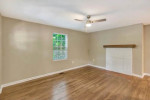
Love the Floors You Walk On

Choose us for your LVP flooring project in Easley & Powdersville, SC

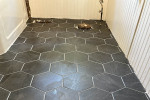
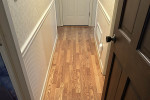
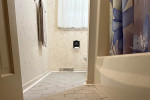
Has your old flooring seen better days? New floors are a simple way to transform your home's interior without the cost of a complete remodel. Local Repair specializes in LVP flooring installations in Easley & Powdersville, SC. You'll appreciate our detail-oriented process for helping you choose a look that fits your style. And we'll always provide a complete cost breakdown and care maintenance instructions after installation is complete.

Get durable, scratch-resistant LVP flooring for your home or business. Reach out to schedule your project today.
Floors Built to Handle South Carolina Humidity

Flooring installation in Under 4 advantages of tile flooring for homes facing moisture-related warping and subfloor failures

Humidity in South Carolina doesn't just make summers uncomfortable-it penetrates subfloors, causing hardwood to cup, laminate seams to lift, and vinyl to bubble within months of installation. Local Repair handles flooring projects in Under 4 advantages of tile flooring with a focus on moisture-barrier installation and subfloor leveling, addressing the climate conditions that cause most flooring failures in the region. Homeowners replacing floors after water damage or installing new surfaces in older homes with uneven foundations benefit from preparation work that prevents long-term shifting and warping.

The process begins below the visible surface. Subfloor assessment identifies low spots, moisture intrusion points, and structural weaknesses that standard installations often ignore. Leveling compounds correct unevenness that would otherwise telegraph through finished flooring, while moisture barriers block vapor transmission from concrete slabs or crawlspaces. These steps determine whether your new floor remains flat and stable or begins failing within the first year.

Schedule a property evaluation to review subfloor conditions and discuss flooring material options suited to your home's specific moisture profile.

Why Subfloor Preparation Prevents Long-Term Failures

Most flooring complaints-squeaking, gaps between planks, tiles that crack along grout lines-trace back to preparation work that was skipped or rushed. Proper installation includes testing subfloor moisture levels with meters, not assumptions, and applying self-leveling compound to surfaces with variations exceeding manufacturer specifications. When moisture barriers are installed correctly, they cover the entire subfloor area with overlapping seams sealed against vapor movement, not just laid loosely beneath planks.

After installation, you'll notice that floorboards don't creak when walked on, transitions between rooms sit flush without lips or gaps, and trim pieces align tightly against baseboards without visible caulk lines. Floors remain stable through seasonal humidity swings because the moisture barrier blocks the cyclical expansion and contraction that causes cupping in untreated installations. These differences become obvious within the first few months, especially during summer humidity peaks common in this region.

Installation services include removing existing flooring down to the subfloor, not simply covering old surfaces with new material. This approach reveals hidden damage-rotted plywood near old leaks, termite damage along exterior walls, or previous repairs that created height mismatches. Addressing these issues before laying new flooring prevents callbacks and ensures the finished surface performs as expected for years.

Questions Homeowners Ask About Flooring Projects

Flooring installations in Under 4 advantages of tile flooring often require answers to practical questions about preparation, material performance, and long-term durability before projects begin.

  • How does humidity in South Carolina affect flooring material choices? Engineered hardwood outperforms solid hardwood in high-humidity climates because its layered construction resists moisture-driven expansion better than single-piece planks, reducing cupping and gaps between boards.
  • What preparation work happens before new flooring goes down? Subfloors are inspected for levelness using straight edges and laser levels, moisture levels are tested with meters, low spots are filled with leveling compound, and moisture barriers are installed with sealed seams to block vapor transmission from below.
  • Why do some floors squeak after installation and others don't? Squeaking occurs when subfloor fasteners loosen or when planks move against each other due to inadequate adhesive coverage or gaps in the underlayment, both preventable through proper fastening schedules and full-coverage adhesive application.
  • Can you install new flooring over existing tile or vinyl? Removal down to the subfloor is standard practice because layering floors creates height mismatches at doorways, hides subfloor damage, and adds unnecessary thickness that affects appliance fit and transition pieces.
  • How long before furniture can be moved back onto new floors? Adhesive cure times vary by product-some allow light foot traffic within hours, but full furniture loads should wait at least 24 to 48 hours to prevent indentations or bond failure while adhesives reach full strength.
Local Repair provides detailed cost breakdowns before work begins, itemizing material costs, subfloor preparation requirements, and installation labor separately so you can track renovation expenses without surprises. Request an on-site estimate to review your specific subfloor conditions and discuss material options suited to your home's moisture profile and traffic patterns.

Contact Us