Give Your Home's Interior a Classic, Upscale Look

Trust our trim installers with your carpentry project in Easley & Powdersville, SC

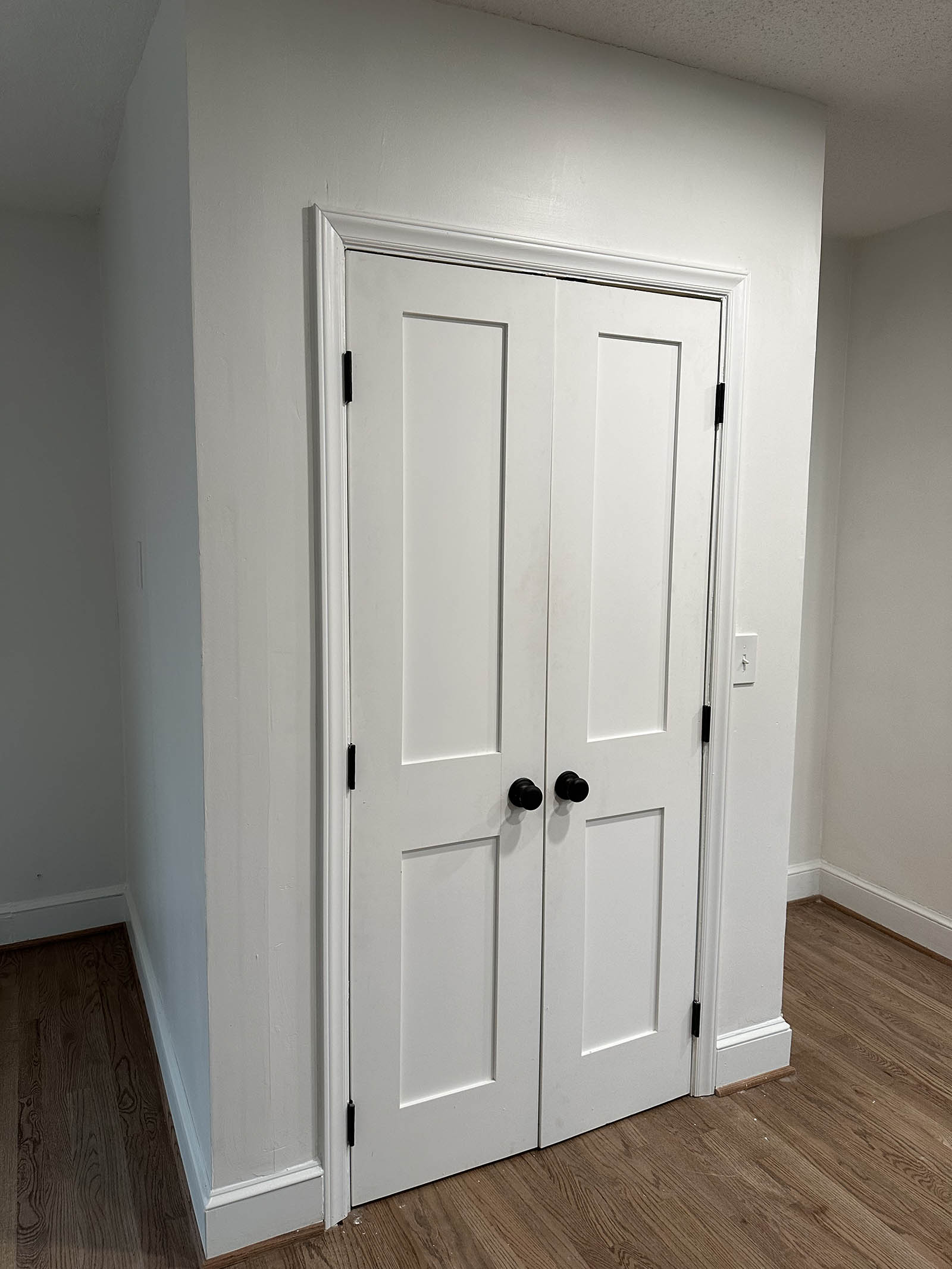
Local Repair specializes in custom carpentry services that will fit your design style. Our trim installers work with homeowners and business owners in Easley & Powdersville, SC to create a look that's unique to their space. From wainscoting in the dining room to five-inch baseboards throughout the home, we'll design the perfect trim elements that are tailored to you. If you aren't sure what you want, we're happy to provide samples to help you decide.

All carpentry projects include sanding and staining or painting to achieve the flawless, cohesive look you crave. Call 864-350-5997 to schedule your project.


Trim Work That Actually Matches Existing Details

Carpentry and trim installation in Under 4 advantages of tile flooring for homes requiring seamless additions to existing molding profiles

Older homes accumulate trim styles across decades-original baseboards in living areas, contractor-grade replacements in renovated kitchens, and mismatched crown molding installed by previous owners. Sourcing trim that matches existing profiles requires more than measuring width and height; it involves identifying manufacturing profiles, wood species, and joinery techniques that disappeared from retail availability years ago. Local Repair handles carpentry and trim projects by matching existing molding profiles through custom milling or specialty suppliers, ensuring new installations blend invisibly with original woodwork rather than standing out as obvious additions.

The matching process begins with profile documentation using contour gauges that capture the exact curves and depths of existing trim. These profiles are compared against current mill run catalogs, and when matches aren't available, custom milling replicates the original design. Installation techniques also matter-older trim was often nailed differently than modern fastening schedules, and replicating those methods ensures consistent reveal lines and joint tightness across old and new sections.

Arrange a consultation to review your existing trim profiles and discuss options for matching or complementing current woodwork during room additions or renovations.

What Proper Trim Installation Requires

Trim installation isn't just cutting boards to length and nailing them up. Corners require coped joints for inside angles-where one piece is cut to follow the profile of the adjoining piece-rather than simple miters that gap open as wood shrinks. Baseboards must be scribed to floors when subfloor unevenness creates gaps, not just caulked heavily to hide poor fitting. Crown molding demands precise angle cuts that account for wall and ceiling planes that rarely meet at true ninety-degree angles, especially in older homes with settling.

Once trim installation finishes, you'll see tight joints at inside and outside corners without visible gaps, baseboards that sit flush against both walls and floors without thick caulk lines, and crown molding that follows ceiling lines smoothly without dips or waves. Nail holes are filled and sanded flush before priming, leaving surfaces ready for final paint without visible fastener locations. These details separate finished carpentry from rough framing-grade work.

Wainscoting and beadboard installations add architectural interest to dining rooms and hallways while protecting walls in high-traffic areas. Beadboard specifically features vertical grooves that run the length of each panel, while wainscoting is the broader category that includes flat panels, raised panels, and beadboard styles. Both are installed with precise leveling and consistent reveals between panels to maintain visual alignment across entire wall sections.

Common Questions About Trim and Carpentry Work

Property owners in Under 4 advantages of tile flooring typically ask practical questions about matching existing trim, cost impacts, and installation methods before starting projects.

  • What is the difference between wainscoting and beadboard? Wainscoting describes decorative wood paneling applied to the lower portion of walls, while beadboard is one specific style within that category, featuring narrow vertical planks with grooves between each board that create a distinctive lined appearance.
  • Does new trim add value to a home? High-quality baseboards and crown molding rank among the most cost-effective updates for improving a home's perceived finish quality, particularly when existing trim is damaged, mismatched, or absent in key rooms like dining areas and primary bedrooms.
  • Can you match my existing trim? Matching involves documenting existing profiles with contour gauges, sourcing equivalent mill runs from current catalogs, or custom milling pieces when original profiles are no longer manufactured-all standard processes for maintaining visual consistency during additions or renovations.
  • How do you handle trim in rooms with uneven walls? Scribing techniques transfer wall irregularities onto trim pieces so they can be cut to follow the actual wall surface rather than a theoretical straight line, eliminating gaps without relying on excessive caulk to hide poor fits.
  • Why do some trim joints open up over time while others stay tight? Coped joints at inside corners remain tight through seasonal wood movement because one piece physically overlaps the profile of the other, while mitered joints rely on glue bonds that fail as wood expands and contracts with humidity changes.
Local Repair provides detailed proposals that itemize trim materials, preparation work, and finishing separately so you understand exactly what you're paying for in each project phase. Schedule an estimate to discuss matching your existing trim or selecting new profiles that complement your home's architectural style.

Contact Us